
Helping Children Understand Caregiving and Changing Family Roles
When someone in a family needs care, children notice the changes. A parent may spend more time helping a grandparent. A sibling may need extra attention or assistance. Routines shift, plans change, and responsibilities may be shared differently. Sometimes children and teens take on caregiving tasks themselves.
Children may have questions that are practical, emotional, or difficult to say aloud. Why does Mom have to help Grandma so much? Why can’t we do what we used to do? Why am I expected to help? Is it okay that I don’t want to? They may feel worried, proud, frustrated, helpful, left out, embarrassed, angry, or several of these things at once.
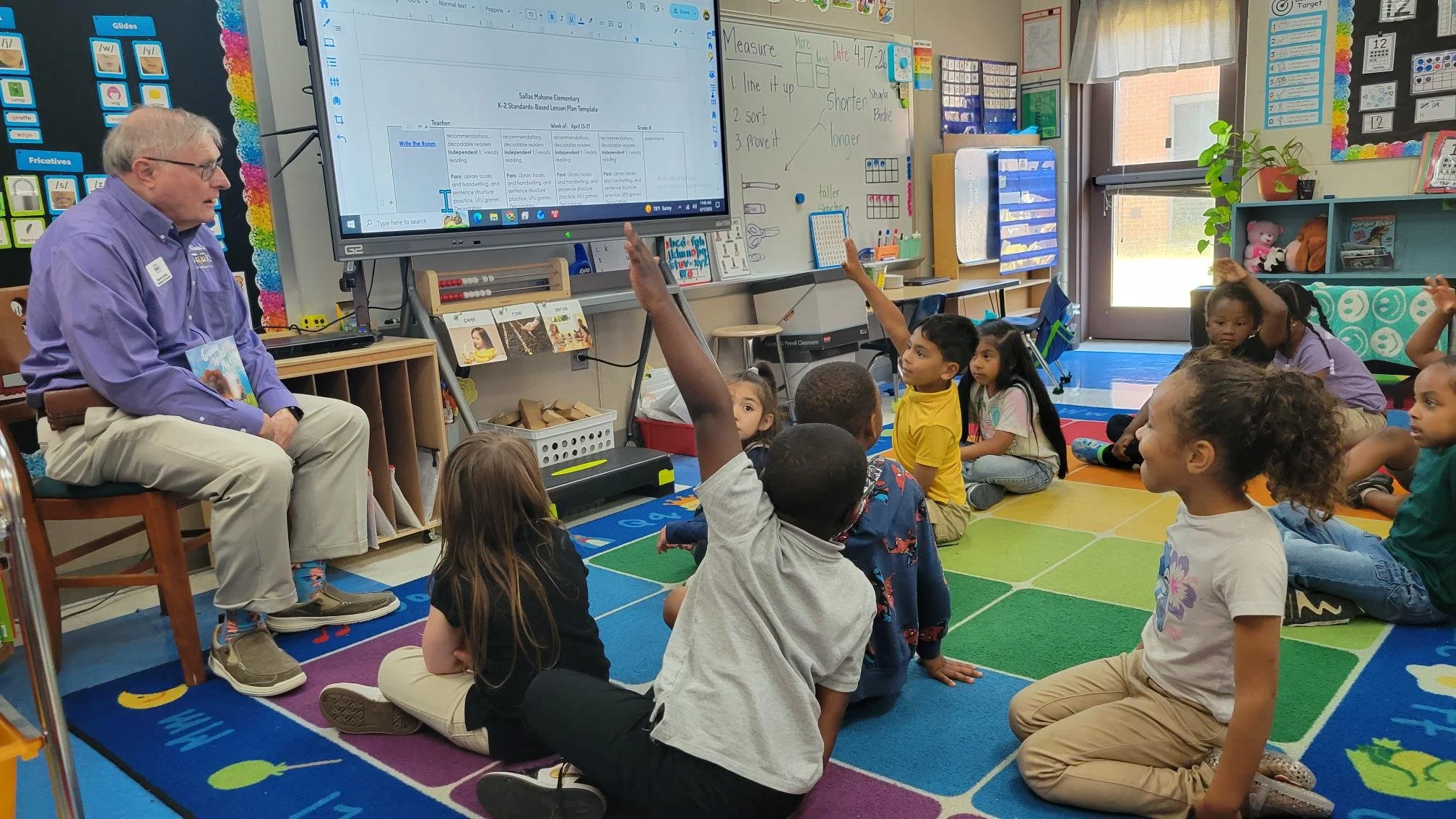
Adults help children make sense of these changes by talking openly about what is happening, giving age-appropriate explanations, and making room for questions and mixed feelings. Children who participate in caregiving also need adults to pay attention to how those responsibilities affect their daily lives.
Books offer a way to begin these conversations. A story may help a child recognize their own family, find words for an experience they have not known how to describe, or understand that caring for someone and needing care themselves belong in the same family.
Caregiving may become part of a child’s life. It should not become the whole of their childhood.
When Caregiving Changes Family Life
Children do not need to understand every detail of an illness, disability, or family situation to recognize that something has changed. They notice when a parent is distracted, a grandparent needs more help, a sibling receives more attention, plans are canceled, or routines begin revolving around someone’s care.
Without an explanation, children may fill in the gaps themselves. Giving simple, truthful information helps them understand what is happening and gives them permission to ask questions. What children need to know will depend on their age, the situation, and how directly the changes affect them.
Explain what is changing.
Tell children what they are likely to notice. Grandpa needs more help getting dressed now. Mom will be spending more time at his house. Concrete information makes a change easier to understand than a vague explanation that someone is not doing well.
Explain what is staying the same.
When family life feels uncertain, children may wonder about things adults have not considered. Who will pick me up from school? Are we still going on vacation? Will Dad have time for me? Adults may not have every answer, but they can tell children what they know and update them when plans change.
Make room for mixed feelings.
A child may love the person receiving care and still resent canceled plans. A teen may feel proud of helping and tired of being needed. A younger child may enjoy spending time with a grandparent while wishing things could go back to the way they were. These feelings do not cancel one another out.
Keep the conversation open.
Children’s questions change as circumstances change and as they grow. One conversation rarely answers everything. Returning to the subject gives children another opportunity to ask what they are wondering about or say what they did not know how to say before.
Children do not need adults to make every change feel okay. They need truthful explanations, room for their feelings, and confidence that they can keep asking questions.
When Children Help Provide Care
Helping is a normal part of family life. Children may bring someone a glass of water, keep a grandparent company, help with household tasks, or lend a hand when a sibling needs assistance. These experiences give children opportunities to contribute, connect with someone they love, and feel proud of helping.
For some children and teens, however, helping becomes a regular caregiving role. They may prepare meals, manage household tasks, supervise a sibling, help someone move or dress, keep track of medications, translate or communicate with health professionals, or provide emotional support to someone they love. Young people do not always think of these responsibilities as caregiving. To them, it may simply be what their family does.
Helping or carrying too much?
There is no single task or number of hours that tells an adult when helping has become too much. Instead, pay attention to what caregiving is asking a child to give up or manage.
Look at the responsibility.
Is the task appropriate for the child’s age and abilities? Does it involve personal care, medication, lifting, emergencies, or other responsibilities for which the child needs training or adult support?
Look at how the child is doing.
Does the child seem persistently worried, exhausted, isolated, overwhelmed, or responsible for keeping the family functioning?
Look at what it is replacing.
Is caregiving regularly interfering with sleep, schoolwork, attendance, friendships, activities, or time to relax and play?
Look at the support around them.
Does the child have adults they can turn to? Are caregiving responsibilities shared? Do they know that asking for help or needing a break is allowed?
Research and national caregiving guidance point to the same distinction: caregiving itself is not automatically harmful. Concern grows when responsibilities exceed a young person’s developmental capacity, interfere with education and relationships, or occur without adequate support.
Children and teens who help care for someone may value that role deeply. Supporting them does not require taking away something meaningful to them. It means making sure that caregiving is not the only role they have.
A young caregiver is still a student, friend, sibling, teammate, artist, gamer, reader, dreamer, or simply a kid who needs time that belongs to them.
Make It Safe to Tell the Truth
Children do not always tell adults when caregiving feels difficult. They may worry about upsetting someone, being seen as ungrateful, or adding another problem when their family already has enough to handle. Some may feel that because the person they love cannot help needing care, they should not complain about helping.
Adults can make these conversations safer by showing children that love and frustration are allowed to exist together. A child does not have to choose between caring about someone and wishing they had fewer responsibilities, more attention, or time for themselves.
Instead of immediately reassuring, correcting, or solving the problem, begin by listening. A child’s words may reveal something practical that needs to change or simply a feeling that needs somewhere to go.
What You Might Say
“I don’t want to help today.”
“You don’t have to feel like helping all the time. Tell me what feels hard today.”
“Why does she get all the attention?”
“It probably does feel like a lot of our attention goes to her right now. You need time and attention, too.”
“I’m tired of everyone asking me to do things.”
“I’m glad you told me. Let’s look at what you’ve been doing and what someone else could take on.”
“I feel bad when I go out and have fun.”
“You are allowed to have fun. Spending time with friends and doing things you enjoy does not mean you care any less.”
Adults will not always be able to change the circumstances creating a family’s caregiving needs. They can still take a child’s feelings seriously, explain decisions, look for responsibilities that can be shared, and protect parts of life that belong to the child.
A child should not have to hide what caregiving feels like in order to protect the people they love.
What a Good Caregiving Story Makes Room For
Caregiving stories help children see experiences that families do not always talk about openly. The strongest stories do more than show someone helping another person. They make room for the relationships, changes, responsibilities, and feelings that surround care.
Caregiving stories have room for complexity: affection alongside frustration, responsibility alongside play, and meaningful moments alongside things a child wishes were different.
The person receiving care is still a whole person.
Illness, disability, or age may change what someone needs, but it should not erase who they are. Look for stories in which the person receiving care has preferences, relationships, humor, history, interests, and a meaningful place in the family beyond needing help.
The child has needs of their own.
Children in caregiving families should not exist only to be helpful, patient, or mature. Strong stories leave room for school, friends, hobbies, play, privacy, rest, and attention from adults.
Difficult feelings are allowed.
A child may feel love, pride, worry, resentment, embarrassment, sadness, or relief. A story does not need to resolve every uncomfortable feeling. Sometimes simply seeing a character experience it tells a child, Someone else feels this way, too.
Care does not belong to one child alone.
Pay attention to who carries responsibility in the story. Even when a child contributes meaningfully to someone’s care, adults and other sources of support should remain visible. Children benefit from seeing that asking for help, sharing responsibility, and taking a break are also parts of caring.
Books also give adults an opening. A child who does not want to answer “How are you feeling about everything?” may have plenty to say about what a character thinks, wants, or wishes would change. Talking about the story creates a little distance, and sometimes that makes talking about real life easier.
Through caregiving stories, children find language for complicated feelings and reassurance that love, frustration, worry, pride, and other emotions may exist together.
Books to Explore
Young caregiving experiences differ from one family to another. Children and teens may take on responsibilities when someone they love needs care, adjust to changing family roles, or find themselves balancing caregiving with school, friendships, and everyday life. These books offer different perspectives on those experiences and the importance of support for young caregivers.
The Letter with the Golden Stamp
By Onjali Q. Raúf | Illustrated by Pippa Curnick
May be helpful for: Talking about hidden caregiving responsibilities, asking for help, and the fear that may keep children from telling adults what is happening at home.
Nine-year-old Audrey cares for her seriously ill mother as well as her younger siblings while trying to keep the situation secret. Her fear of what might happen if someone discovers how much responsibility she carries keeps her from confiding even in people who care about her. The story eventually brings other adults and sources of support into Audrey’s world.
_________________________________________
The Night Animals
By Sarah Ann Juckes | Illustrated by Sharon King-Chai
May be helpful for: Exploring parental mental illness, friendship, isolation, and the importance of reaching out for help.
Nora has been trying to manage her mother’s worsening PTSD largely on her own. As mysterious animals begin appearing to her, her journey gradually brings friendship and other people into a situation she has tried to handle privately.
_________________________________________
A Library of Lemons
By Jo Cotterill
May be helpful for: Talking about parental depression, grief, loneliness, friendship, and children who become responsible for themselves or an adult.
Ten-year-old Calypso lives with her father, whose grief and depression following her mother’s death have left him increasingly unable to care for himself or for her. Calypso has grown accustomed to managing largely on her own and does not initially recognize how isolated she has become. Friendship begins to open her world and eventually brings other people into the family’s life.
_________________________________________
Can I Tell You About Being a Young Carer?
By Jo Aldridge | Illustrated by Jack Aldridge Deacon
May be helpful for: Helping children identify caregiving responsibilities and understand where support may come from.
Through Carly, a young person who cares for her mother with multiple sclerosis and depression, this illustrated guide explores what young carers may do and how caregiving may affect home life, school, relationships, and emotions. It also introduces sources of support from family, friends, teachers, professionals, and others.
Let the Story Start the Conversation
A child does not need to see their family exactly reflected in a book for a story to open a useful conversation. Talking about a character may make it easier to explore responsibility, worry, frustration, or something a child wishes were different at home.
Instead of turning reading into a lesson, follow the child’s interest. Pause when they have something to say. Notice what catches their attention. A simple question may be enough to keep the conversation going.
Questions to Try
What do you think is hardest for this character?
Is there anything they seem to enjoy about helping?
Who helps the person doing the caregiving?
What do you wish an adult in the story understood?
Does anything in this story remind you of our family?
Children may want to talk about the story without connecting it to themselves, and that is useful, too. Listening to what they notice gives adults another way to understand how children are making sense of care, responsibility, and changing family roles.
Sharing a story gives children space to ask questions, notice their own reactions, and find the words to talk about their experiences when they are ready.
Find Support for Young Caregivers
Children and teens who help care for someone in their family also need people and resources they can turn to. These organizations offer information, programs, and guidance for young caregivers and the adults who care about them.
American Association of Caregiving Youth
AACY supports children and teens who provide significant care for family members living with chronic illness, injury, disability, mental health conditions, or age-related frailty. Its resources include support for caregiving youth and families, education, skill building, and connections to additional services.
Family Caregiver Alliance: Support for Young Caregivers
This resource helps young caregivers recognize that they are not alone and offers practical guidance for finding information, community, and support while managing caregiving alongside the other parts of their lives.
Hidden Helpers — Elizabeth Dole Foundation
Hidden Helpers focuses specifically on children and young people in military and veteran families who help care for a wounded, ill, or injured service member or veteran. Its resources address children’s experiences at home, in school, and in the community and include materials developed specifically for caregiving youth and the adults who support them.
Continue Exploring Caregiving & Family Support
Books help children understand how caregiving changes families, recognize experiences that may feel difficult to explain, and see that caring for someone and needing support themselves belong together.
Explore more books and resources for children, families, educators, and caregivers.
Explore Caregiving & Family Support →